

Liquefied Petroleum Gas Tax filing online
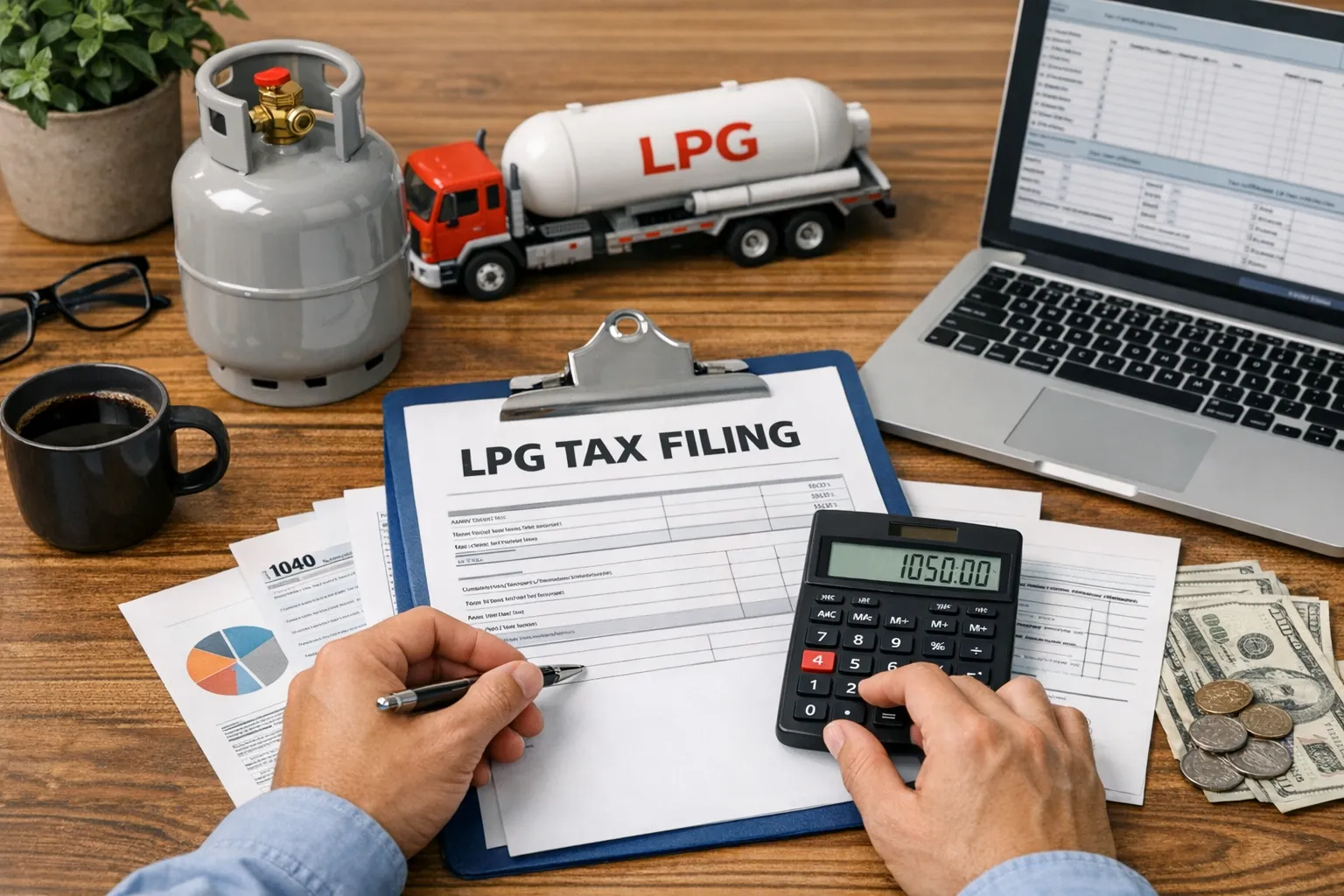
Propane autogas is efficient, clean and cost effective which is why many fleets use it for delivery school transport and service routes. If your business sells, produces imports or uses LPG as a motor fuel you may owe federal reporting each quarter. The Liquefied Petroleum Gas Tax applies to on road use not to most heating or agricultural uses.With eFileExcise720, you can handle Fuel Excise Tax Filing fast with clear steps, secure data protection, and support that understands energy businesses.
EFile Excise 720!
What is the Liquefied Petroleum Gas Tax?
The liquefied petroleum gas excise tax is a federal charge on LPG used to power highway vehicles. The levy is imposed at the point of sale or removal from a terminal or bulk facility depending on registration. Rates are set by law and can change so you should always check current IRS guidance before filing. Exempt uses include many off highway activities and heating fuel when properly documented. The LPG levy is part of the federal Fuel Excise Tax system.
LPG includes propane and mixes that meet fuel specifications. For reporting you classify products correctly, record volumes in gallons and track dates of sale or removal. If you operate a cylinder exchange bulk plant or autogas station your recordkeeping must show when fuel was used as motor fuel compared with storage or heating supply.
Who must file and when
Registered suppliers, position holders importers and certain retailers that dispense LPG into vehicle tanks generally file each quarter. Businesses that only sell small cylinders for grilling or heating usually do not owe motor fuel tax because that LPG is not used on the road. Due dates fall at the end of the month after each quarter which keeps reporting on a predictable schedule.
Keep product codes, meter readings and bills of lading organized. Record gallons sold blended or removed and tie each entry to the correct location. Solid records strengthen LPG tax compliance and reduce audit risk.
Federal rules versus state LPG fuel tax
States set their own LPG fuel tax rates and licensing rules. Some require separate decals or permits for autogas vehicles. Those obligations are separate from the Federal LPG tax which is reported to the IRS. Always check state publications so your payments match local law and calendar.
How eFileExcise720 simplifies Liquefied Petroleum Gas
Tax filing
eFileExcise720 is an IRS authorized online portal that makes LPG tax filing simple. You get a clean dashboard guided forms and smart validation so errors are caught early. Data is protected with secure encryption and you can create a free account in minutes. Our team knows fuel operations so you get friendly help when questions arise.
Start now with our IRS authorized e filing portal at eFileExcise720.
Steps to e file your LPG return
Create an account and add your company profile. Select LPG as the product then enter gallons dates and locations from your records. Review system checks fix any flagged items then submit securely. You will get an IRS status update in your dashboard. If needed you can amend a prior period with clear guidance.
Rates and measurement basics
For motor fuel reporting LPG is measured in gallons. Some rules refer to gasoline gallon equivalents so records must show actual gallons delivered or removed. Rate tables can change over time so check current IRS guidance before you file. Keep clear conversions when you blend propane with other products. Consistent measurement simplifies reconciliation between meter logs inventory movement and returns.
Common LPG motor fuel scenarios
Autogas retail stations that fill vehicles must track taxable gallons at the dispenser. Bulk plants that deliver to fleets should document deliveries by date, volume and location. On site fleets that store propane for their own vehicles must track removals and reconcile monthly. Cylinder exchange programs focus on heating or industrial use which is outside motor fuel unless LPG is dispensed into a highway tank.
Compliance tips and best practices
Audit ready records are your best defense. Keep invoices, tickets, and bills of lading organized by date and location. Confirm that pump meters and storage tank meters are calibrated. Separate heating fuel records from motor fuel records. Reconcile inventory each month so your Liquefied Petroleum Gas excise tax on Form 720 matches volumes moved. Train staff on product coding and cash control.
The Liquefied Petroleum Gas Tax supports roads and transportation programs when LPG is used on highways. With a simple process and the right tools you can keep filings accurate and on time. Choose eFileExcise720 for fast secure LPG tax filing and trusted help from a team that knows fuel.
Testimonials
The final person I talked to was able to really help me and stayed on the line until the issue was resolved. I was about to end the call but she convinced me that she knew what i needed to do. A very good customer service person. Superior!.
The final person I talked to was able to really help me and stayed on the line until the issue was resolved. I was about to end the call but she convinced me that she knew what i needed to do. A very good customer service person. Superior!.
The final person I talked to was able to really help me and stayed on the line until the issue was resolved. I was about to end the call but she convinced me that she knew what i needed to do. A very good customer service person. Superior!.